DePIN Energy Grids: Monetizing Solar Surplus in 2026
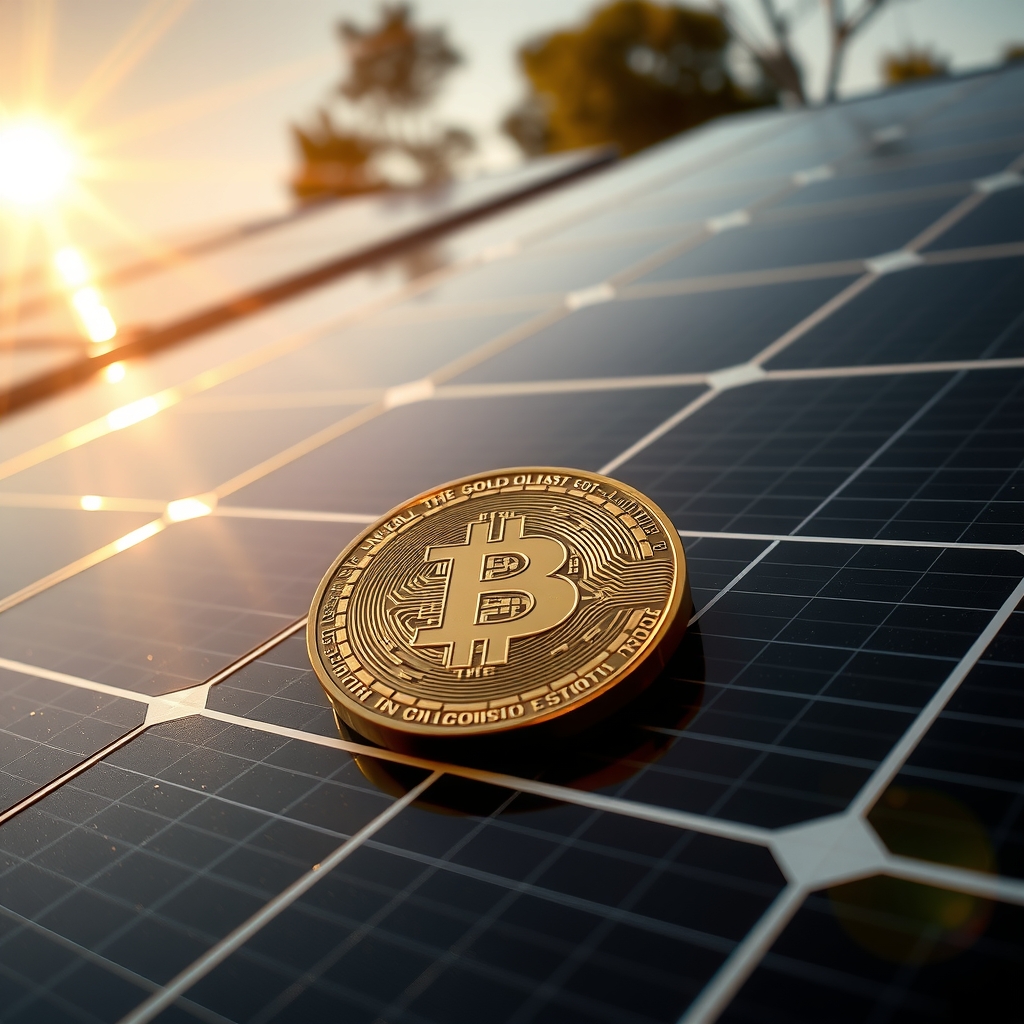
DePIN energy grids: Monetize solar surplus in 2026! Decentralized networks earn from excess solar power. Discover how in our article.
The global energy landscape is undergoing a profound transformation, driven by a dual imperative: the urgent need to transition to sustainable sources and the desire for greater efficiency and democratization. As solar power generation continues its exponential growth, a new challenge emerges – how to effectively manage and monetize the inevitable surplus energy. Enter DePIN (Decentralized Physical Infrastructure Networks) energy grids, a revolutionary approach poised to reshape how we think about energy distribution and value creation, particularly for surplus solar power, by 2026.
Understanding DePIN Energy Grids
DePIN represents a paradigm shift from centralized infrastructure ownership to a community-driven model. In the context of energy, DePIN energy grids leverage blockchain technology to create decentralized networks of energy producers (like homeowners with solar panels) and consumers. Instead of relying solely on traditional utility companies, these networks enable direct, peer-to-peer energy transactions. This fosters a more resilient, efficient, and equitable energy ecosystem.
The core concept is to incentivize individuals and small businesses to contribute their physical infrastructure – in this case, solar panels and energy storage systems – to a collective network. By doing so, they become active participants in the energy market, rather than passive consumers or producers reliant on a single entity. Blockchain acts as the immutable ledger for these transactions, ensuring transparency, security, and automated settlement.
Monetizing Surplus Solar Power: The 2026 Vision
By 2026, the capabilities of DePIN energy grids are expected to significantly enhance the monetization of surplus solar power. Here's how:
- Direct Peer-to-Peer Sales: Homeowners or businesses generating more solar power than they consume can directly sell their surplus to neighbors or other network participants. This bypasses the often-complex and less profitable feed-in tariffs offered by traditional utilities, allowing producers to capture more of the value.
- Dynamic Pricing Models: DePIN networks can implement dynamic pricing based on real-time supply and demand. During peak sunlight hours when solar generation is high and demand might be lower, prices could adjust, incentivizing consumption or storage. Conversely, during periods of high demand and low generation, prices could rise, rewarding those who supply energy.
- Automated Micro-Grids: These networks facilitate the creation of localized micro-grids. Communities can become largely self-sufficient, trading energy among themselves and only drawing from the main grid when necessary. This increases energy resilience and reduces reliance on distant, vulnerable infrastructure.
- Tokenized Incentives: Many DePIN projects utilize native tokens to incentivize participation and reward contributions. Users might earn tokens for supplying surplus energy, maintaining network infrastructure, or even for consuming energy during off-peak hours. These tokens can then be traded on secondary markets, providing an additional revenue stream.
- Enhanced Grid Stability: By distributing energy generation and storage, DePIN grids can contribute to overall grid stability. Surplus energy can be directed to areas of need, reducing strain on centralized infrastructure and potentially preventing outages.
Challenges and Considerations
While the promise of DePIN energy grids is substantial, several challenges need to be addressed for widespread adoption by 2026:
- Regulatory Frameworks: Existing energy regulations are often designed for centralized systems. Adapting these frameworks to accommodate decentralized peer-to-peer energy trading will be crucial.
- Scalability of Blockchain: The underlying blockchain technology must be able to handle a vast number of transactions efficiently and at low cost. Developments in layer-2 solutions and more scalable blockchain architectures are vital.
- Security: As with any decentralized network, security is paramount. Rigorous auditing by firms like Trail of Bits, OpenZeppelin, or CertiK will be essential to prevent exploits, similar to incidents seen in the broader crypto space, such as the Ronin bridge hack or the Poly Network exploit, though these involved digital assets rather than physical infrastructure.
- Interoperability: Ensuring different DePIN energy networks can communicate and transact with each other will be important for creating a truly global, efficient energy market.
- User Adoption and Education: Educating homeowners and businesses about the benefits and mechanics of participating in DePIN energy grids will be key to driving adoption.
Practical Takeaways for Participants
For those interested in participating in the DePIN energy revolution, here are some actionable takeaways:
- Research DePIN Projects: Keep an eye on emerging DePIN energy projects. Understand their technology, tokenomics, and community engagement.
- Evaluate Your Solar Setup: If you have solar panels, assess your energy generation and consumption patterns. Understand your surplus potential.
- Consider Energy Storage: Battery storage systems become even more valuable in a DePIN context, allowing you to store surplus energy for later sale or use, maximizing your monetization potential.
- Stay Informed on Regulations: Monitor local and national regulatory developments concerning decentralized energy trading.
- Prioritize Security: When interacting with any blockchain-based platform, always prioritize security. Use strong, unique passwords, enable two-factor authentication, and be wary of phishing attempts. Remember the lessons from past incidents like the Mt. Gox hack or the FTX collapse, which underscore the importance of due diligence and secure practices.
DePIN energy grids represent a powerful confluence of renewable energy technology and blockchain innovation. By 2026, they are poised to offer a compelling solution for monetizing surplus solar power, fostering greater energy independence, and building a more resilient and decentralized energy future. The journey will involve navigating technical and regulatory hurdles, but the potential rewards for individuals and the planet are immense.
This article is for information only and is not investment advice. Crypto assets are highly volatile: assess the risks and invest only what you can afford to lose.