Passkeys & Biometrics: Crypto Wallet Security Standardized by 2026
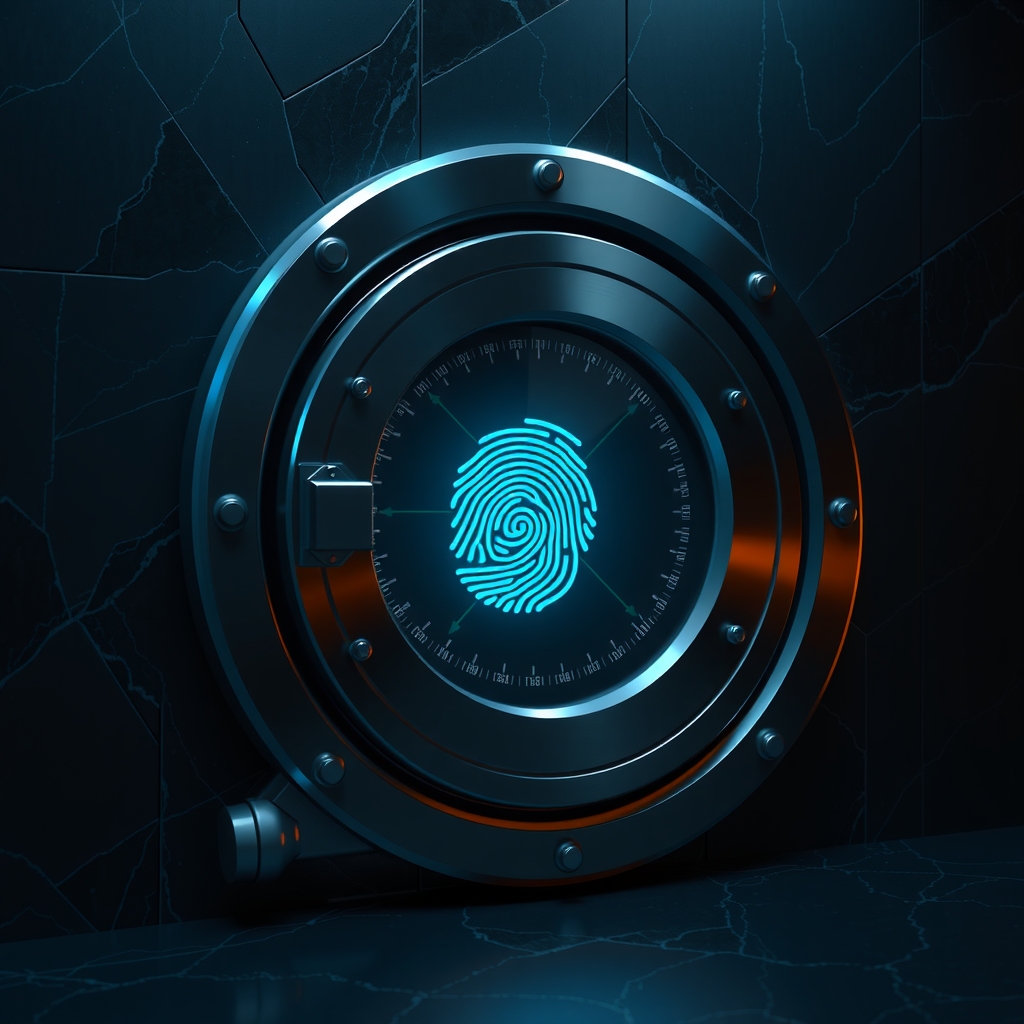
Passkeys & biometrics standardize crypto wallet security by 2026. Learn how these innovations are making your crypto safer and easier to access.
The Future of Crypto Wallet Security: Passkeys and Biometric Recovery in 2026
The landscape of cryptocurrency has always been a tale of groundbreaking innovation intertwined with persistent security challenges. From the early days of individuals losing access to their Bitcoin due to misplaced private keys to the sophisticated exploits targeting decentralized finance (DeFi) protocols and bridges, the need for robust, user-friendly security solutions has never been more pressing. As we look towards 2026, a significant shift is underway: the widespread adoption of passkeys and biometric recovery mechanisms is poised to standardize crypto wallet security, making digital asset management safer and more accessible for everyone.
Understanding the Evolution of Crypto Security Needs
Historically, securing crypto assets has been a complex endeavor. Users were often faced with the daunting task of managing long, alphanumeric private keys or seed phrases, where a single mistake could lead to irreversible loss. The consequences of poor security practices have been stark, evident in major incidents like the Mt. Gox hack in 2014, the DAO hack in 2016, or the Coincheck hack in 2018. Even more recently, the crypto space has witnessed sophisticated attacks on bridges, such as the Wormhole bridge hack in February 2022 and the Ronin bridge hack in March 2022, highlighting the vulnerabilities in interconnected systems. These events underscore a critical need for security solutions that are both highly resilient and intuitively designed for the everyday user.
Traditional multi-factor authentication (MFA) methods, while an improvement, still often rely on elements like SMS codes or authenticator apps, which can be susceptible to SIM swap attacks or phishing. The promise of passkeys and biometric recovery lies in moving beyond these limitations, offering a more secure and seamless authentication experience that minimizes human error and reduces attack vectors.
Passkeys: A New Paradigm for Wallet Access
Passkeys represent a significant leap forward in authentication technology. Built on industry standards like WebAuthn, passkeys eliminate the need for traditional passwords by using cryptographic key pairs. When you create a passkey for your crypto wallet, a unique cryptographic key is generated and securely stored on your device (e.g., smartphone, computer). To access your wallet, you authenticate using your device's built-in biometric sensor (fingerprint, face scan) or a PIN. This process verifies your identity locally, and the device then uses its unique cryptographic key to sign the authentication request, without ever exposing your private key or a central password.
By 2026, we anticipate that major centralized exchanges like Binance, Coinbase, and Kraken, as well as an increasing number of self-custodial wallet providers, will have widely integrated passkey support. This will mean:
- Enhanced Security: Passkeys are phishing-resistant and immune to credential stuffing attacks, as there's no password to steal or guess. The private key never leaves your device.
- Improved User Experience: No more remembering complex passwords or struggling with seed phrases for daily transactions. Accessing your wallet becomes as simple and quick as unlocking your phone.
- Cross-Device Synchronization: Passkeys can often be synchronized across your devices through secure cloud services (like Apple iCloud Keychain, Google Password Manager), offering convenience without sacrificing security.
Biometric Recovery: The Safety Net for Self-Custody
While passkeys revolutionize daily access, the challenge of recovering access to self-custodial wallets if a device is lost or damaged remains critical. This is where advanced biometric recovery solutions are set to play a pivotal role in 2026. Instead of relying solely on a single seed phrase that can be lost or compromised, biometric recovery leverages a distributed or multi-factor approach, often involving a combination of biometric verification and trusted recovery contacts.
Imagine a scenario where your crypto wallet is secured by a passkey on your primary device. If that device is lost, a biometric recovery mechanism might involve:
- Multi-Factor Biometric Verification: Authenticating your identity on a new device using a combination of your biometrics (e.g., facial scan, fingerprint) and potentially a secondary factor known only to you.
- Social Recovery Integration: Designating trusted individuals (friends, family) who can collectively authorize access to your wallet if you lose your primary means of authentication. This often involves these individuals signing off on a recovery request, with the ultimate approval still requiring a piece of information or biometric input from you.
- Hardware Security Module (HSM) Integration: Some advanced solutions may involve storing encrypted shards of your private key across various secure hardware modules or cloud services, requiring multiple points of authentication, including biometrics, to reconstruct access.
This layered approach significantly reduces the single point of failure inherent in traditional seed phrase recovery. The goal is to make self-custody less daunting and more resilient against common mishaps, without compromising the fundamental principles of decentralization and user control.
Practical Tips for Adapting to the New Standard
As these technologies become more prevalent, here's how you can prepare:
- Embrace Passkeys: As exchanges and wallet providers roll out passkey support, actively switch to using them for your primary authentication.
- Understand Recovery Options: Familiarize yourself with the biometric and social recovery options offered by your chosen self-custodial wallets. Set them up carefully and understand how they work.
- Secure Your Devices: Your device becomes your master key. Ensure it's always protected with strong biometrics and a secure PIN/password, and keep its software updated.
- Educate Yourself: Stay informed about the latest security practices and technological advancements in the crypto space.
By 2026, the integration of passkeys and biometric recovery will not just be an option, but a standardized expectation for crypto wallet security. This evolution promises to make the digital asset world safer, more intuitive, and ultimately more accessible for a global audience, moving us closer to a future where managing your crypto is as secure and seamless as unlocking your smartphone.
This article is for information only and is not investment advice. Crypto assets are highly volatile: assess the risks and invest only what you can afford to lose.