Web3 Gaming 2026: True Ownership Reshapes Experiences
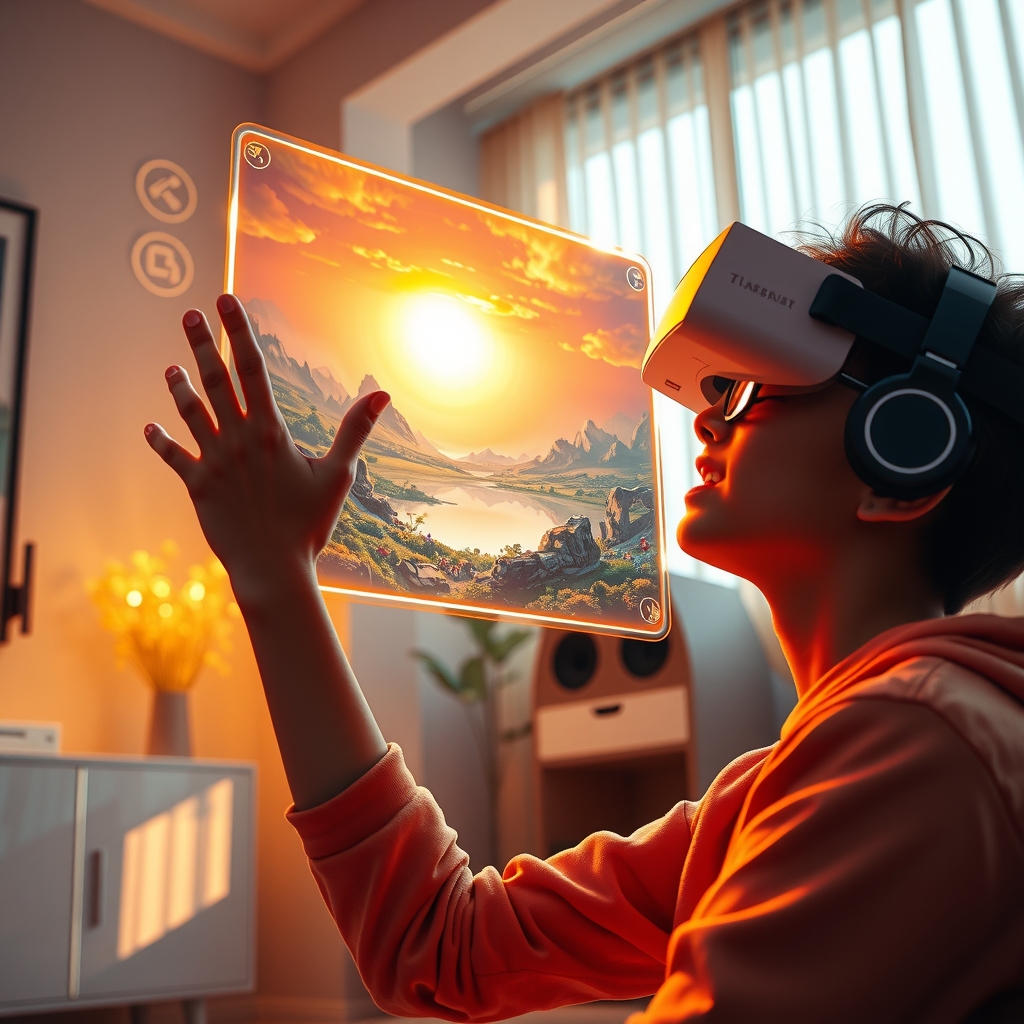
Web3 Gaming 2026: True ownership & interoperable assets revolutionize experiences. Explore the future of gaming with real ownership & new possibilities.
The gaming landscape is constantly evolving, and Web3 technology is poised to usher in one of its most transformative periods. By 2026, the promise of true digital ownership and interoperable assets is expected to fundamentally reshape how players interact with games, their in-game items, and each other. This isn't just about new ways to play; it's about a paradigm shift in economic models, community governance, and persistent digital identities.
Understanding True Ownership in Web3 Gaming
At the core of Web3 gaming is the concept of true ownership. Unlike traditional games where players "own" licenses to use in-game items controlled by the game developer, Web3 games leverage blockchain technology to tokenize these assets as non-fungible tokens (NFTs). This means that a player's sword, skin, or spaceship exists as a unique, verifiable digital asset on a decentralized ledger.
- Verifiable Scarcity: NFTs ensure that digital assets have provable scarcity, similar to physical collectibles.
- Player Control: Players have direct control over their assets, stored in their personal crypto wallets, not on a game developer's server.
- Permissionless Trading: These assets can be freely bought, sold, or traded on open marketplaces, independent of the game developer's direct involvement or approval. This contrasts sharply with the walled gardens of traditional gaming economies where item transfers are often restricted or subject to developer fees.
This shift from licensed access to true ownership empowers players, giving them a tangible stake in the virtual worlds they inhabit. Should a game cease operations, players theoretically retain ownership of their assets, offering a level of permanence previously unimaginable in digital gaming.
The Power of Interoperable Assets
While true ownership is a significant step, the real revolution by 2026 will likely be driven by interoperable assets. Imagine acquiring a unique weapon in one Web3 game and being able to use it, or a modified version of it, in an entirely different Web3 game. This vision of seamless asset transfer across distinct virtual experiences is what interoperability promises.
Achieving true interoperability is complex, often relying on:
- Standardized Token Formats: Common token standards (like ERC-721 or ERC-1155 on Ethereum) facilitate recognition across platforms.
- Cross-Chain Bridges: Tools like Wormhole or LayerZero enable the transfer of assets between different blockchain networks, though it's important to note that some bridges have suffered exploits, highlighting the need for robust security audits from firms like CertiK or Trail of Bits.
- Metaverse Standards: Emerging standards aim to define how digital assets, avatars, and environments can be shared and rendered across various virtual worlds.
The implications are profound. Interoperability fosters a richer, more expansive digital economy where the value of an asset isn't confined to a single game. It encourages creativity, allowing developers to build on existing asset libraries, and offers players unprecedented flexibility in customizing their digital identities and experiences across a multitude of virtual spaces.
Reshaping Player Experiences: Beyond the Game Itself
By 2026, true ownership and interoperability will not only change how we play but also how we perceive and participate in gaming ecosystems:
- New Economic Models: Play-to-earn (P2E) models, where players can earn valuable assets through gameplay, will evolve. While early P2E iterations faced sustainability challenges, future models are expected to integrate more deeply with core gameplay loops, ensuring economic activity is tied to genuine engagement and skill.
- Community Governance: Many Web3 games are exploring decentralized autonomous organizations (DAOs) to give players a say in game development, treasury management, and future updates. This empowers the community to shape the very worlds they inhabit, moving towards a more democratic gaming future.
- Persistent Digital Identity: Your collection of NFTs across various games and platforms could form a persistent digital identity, a "meta-profile" that reflects your achievements, preferences, and contributions across the broader Web3 ecosystem.
- User-Generated Content (UGC) Monetization: With true ownership, creators of in-game content (e.g., custom skins, maps) can directly monetize their creations as NFTs, cutting out intermediaries and fostering a vibrant creator economy.
The journey towards this future is not without its challenges. Security remains paramount, given incidents such as the Mt. Gox hack or the FTX collapse which underscore the risks in the broader crypto space. Scalability of blockchain networks, user experience improvements, and regulatory clarity are also critical hurdles to overcome. However, the foundational technologies are maturing, and the vision of a player-centric, open, and economically vibrant gaming metaverse is steadily coming into focus.
Web3 gaming in 2026 promises a future where players are not just consumers, but owners, creators, and active participants in expansive, interconnected digital worlds. The convergence of true digital ownership and interoperable assets is set to redefine what it means to play, own, and experience games.
This article is for information only and is not investment advice. Crypto assets are highly volatile: assess the risks and invest only what you can afford to lose.