Dynamic NFTs: Transforming Loyalty Programs for 2026 and Beyond
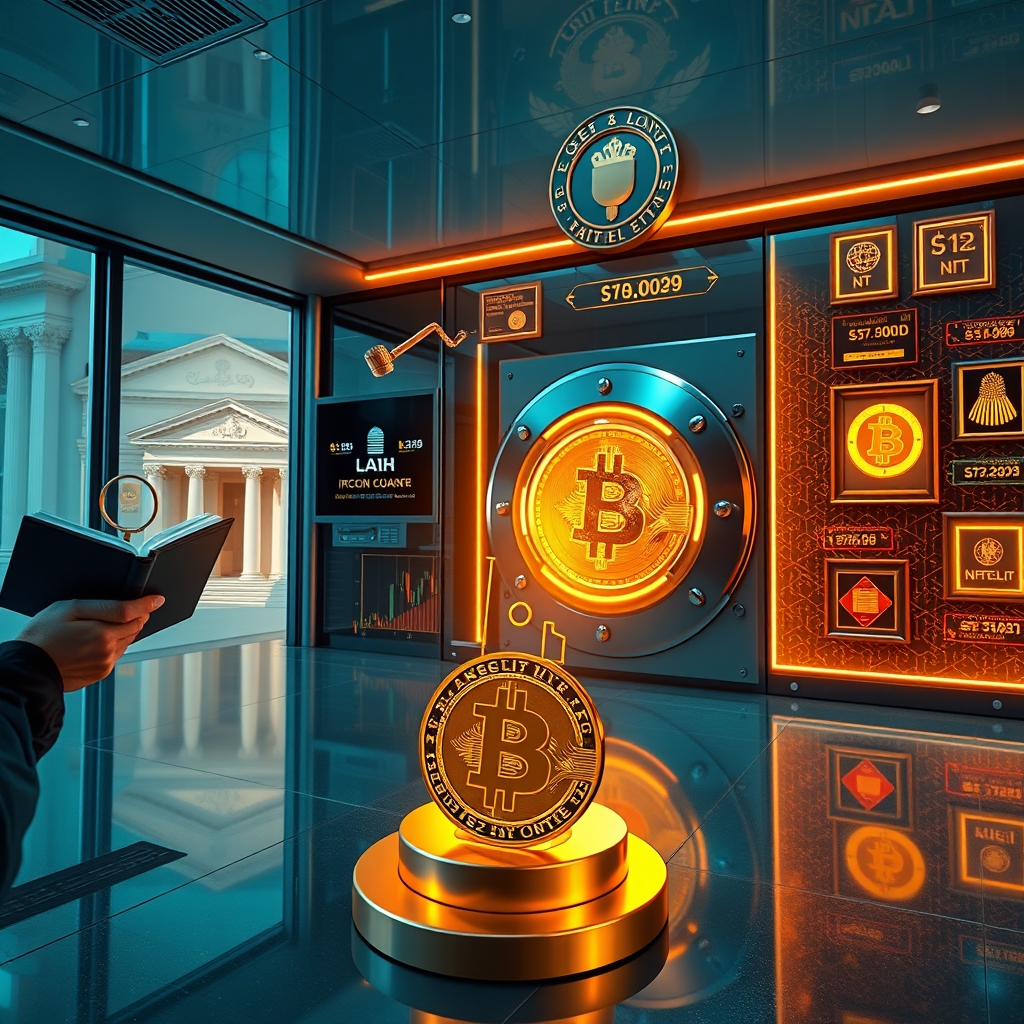
Dynamic NFTs reshape loyalty programs in 2026, offering real‑time rewards, personalization, and blockchain security for next‑gen customer engagement.
What Are Dynamic NFTs and Why They Matter
Dynamic NFTs (non‑fungible tokens) are a next‑generation form of digital asset that can change their metadata, visual attributes, or attached smart‑contract logic after minting. Unlike static NFTs—where the image and data are immutable—dynamic NFTs react to external triggers such as on‑chain events, off‑chain APIs, or user actions. This flexibility enables creators to embed “living” utilities directly into the token, making them ideal for loyalty and rewards programs that need to evolve over time.
From Traditional Points to Token‑Based Rewards
Conventional loyalty schemes rely on points that sit in centralized databases, often leading to friction, lack of transparency, and difficulty in redeeming rewards across partners. By issuing dynamic NFTs, brands can:
- Provide verifiable ownership: The token lives on a public blockchain, so customers can prove their status without contacting a call center.
- Enable programmable upgrades: As users hit milestones, the NFT can automatically unlock new tiers, visual badges, or exclusive perks.
- Facilitate cross‑brand interoperability: Because the token follows open standards, it can be accepted by multiple merchants in a partner network.
This shift from points to tokenized loyalty reduces administrative overhead and builds stronger community engagement.
Key Benefits for Brands and Users
Dynamic NFTs bring several concrete advantages that address pain points seen in older loyalty models:
- Real‑time updates: Smart contracts can query price feeds, sales data, or event calendars to trigger changes instantly. For example, a travel airline might issue a “Frequent Flyer” NFT that upgrades to gold status when a user books a certain number of flights within a quarter.
- Enhanced security: While the crypto ecosystem has experienced notable exploits—such as the Poly Network hack in 2021 and several bridge attacks in 2022—most reputable projects now undergo audits by firms like Trail of Bits or Quantstamp. Audited dynamic NFT contracts help mitigate the risk of unauthorized alterations.
- Gamified experience: Visual transformations (e.g., a badge turning into a glowing artifact) create a sense of achievement, encouraging repeat interaction.
- Secondary market liquidity: Holders can trade loyalty NFTs on platforms like OpenSea, giving them monetary value and incentivizing retention.
Real‑World Examples Shaping the Landscape
Although the full potential of dynamic NFTs is still unfolding, several early adopters illustrate how the technology works in practice:
- Sports franchises: Some football clubs have minted NFTs that evolve based on a fan’s ticket purchases and social media engagement, unlocking access to exclusive meet‑and‑greets.
- Crypto exchanges: Platforms such as Binance and Coinbase have explored tokenized reward programs where users earn NFTs for staking or trading volume, which then evolve to grant fee discounts.
- DeFi protocols: Projects like Aave and Uniswap have experimented with “badge” NFTs that reflect a user’s contribution to liquidity pools; these badges can change color as the contribution size grows.
These pilots demonstrate how dynamic NFTs can be tailored to virtually any industry—retail, hospitality, gaming, or finance—by linking token upgrades to verifiable on‑chain actions.
Practical Steps to Launch a Dynamic NFT Loyalty Program
For brands ready to integrate dynamic NFTs, the following roadmap can help ensure a smooth rollout:
- Define the reward logic: Map out the milestones (e.g., purchase frequency, referral count) and the corresponding token state changes.
- Select a blockchain and standards: Choose a network with strong developer tooling and consider ERC‑721 or ERC‑1155 extensions that support mutable metadata.
- Audit the smart contract: Engage an experienced audit firm (e.g., OpenZeppelin or CertiK) to review the upgrade mechanisms and prevent vulnerabilities similar to those seen in past hacks.
- Integrate off‑chain data securely: Use trustworthy oracle services like Chainlink to fetch real‑world metrics (e.g., flight bookings) without exposing the contract to manipulation.
- Build a user-friendly interface: Offer a dashboard where customers can view their NFT status, claim rewards, and see upcoming upgrades.
- Educate the community: Provide clear guides on wallet setup, gas fee management, and the benefits of holding the NFT versus traditional points.
Actionable Takeaways for Crypto Enthusiasts
- Watch emerging standards: Keep an eye on ERC‑5727 and other proposals that aim to formalize mutable NFT behavior.
- Assess security posture: Prioritize projects that publicly share audit reports and have a track record of quickly patching vulnerabilities.
- Leverage existing ecosystems: Participate in loyalty NFTs on platforms you already trust—such as major exchanges or well‑known DeFi protocols—to test the model before committing to a brand-specific program.
- Consider tax implications: Rewards that appreciate in value may be subject to capital gains tax; consult a tax professional if you plan to trade or sell loyalty NFTs.
Dynamic NFTs are redefining loyalty by turning static points into living, tradeable assets that grow with the user. As more brands adopt programmable rewards and the underlying technology matures, the line between community participation and tangible benefit will continue to blur, creating richer experiences for both companies and crypto‑savvy consumers.
This article is for information only and is not investment advice. Crypto assets are highly volatile: assess the risks and invest only what you can afford to lose.