Eco-NFTs 2026: Renewable Energy Powers Digital Art's Future
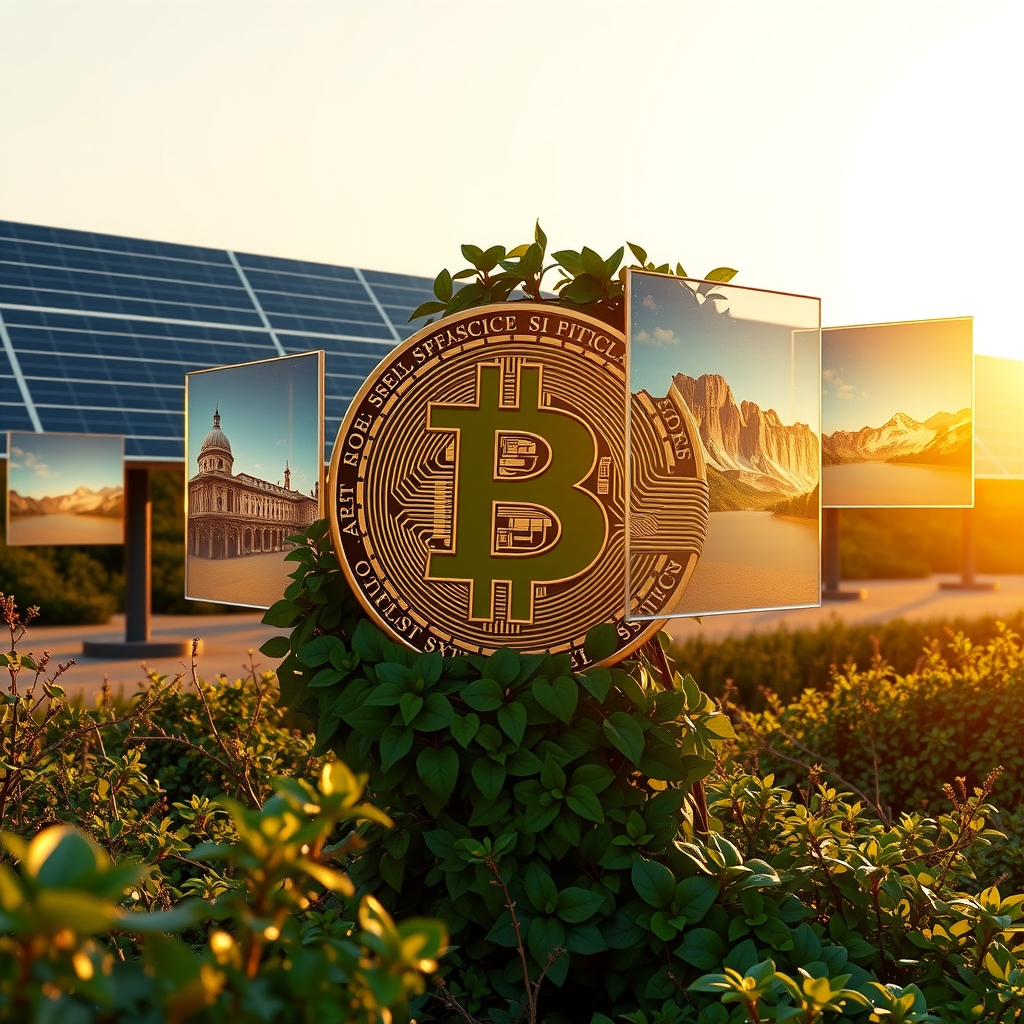
Eco-NFTs 2026: Renewable energy powers sustainable digital art. Explore how green tech fuels the future of NFTs.
Sustainable NFTs: How Renewable Energy Powers Digital Art in 2026
The world of Non-Fungible Tokens (NFTs) has exploded, transforming how we perceive and value digital art, collectibles, and even real-world assets. However, the initial surge in popularity also brought concerns about the environmental footprint of blockchain technology, particularly regarding the energy consumption of certain consensus mechanisms. As we look at 2026, a significant shift has occurred: the integration of renewable energy sources is now a cornerstone of the NFT ecosystem, making "sustainable NFTs" not just a buzzword, but a practical reality.
The Evolution of Energy Efficiency in Blockchain
Early blockchain networks, particularly those relying on Proof-of-Work (PoW) mechanisms, were criticized for their substantial energy demands. This was a valid concern, as the computational power required to secure the network and validate transactions consumed significant electricity. However, the industry has proactively addressed these challenges. The shift towards more energy-efficient consensus mechanisms has been pivotal. Many prominent blockchain platforms have either transitioned to or were built upon Proof-of-Stake (PoS) or similar mechanisms, which drastically reduce energy consumption compared to PoW. This fundamental technological evolution laid the groundwork for truly sustainable NFTs.
Furthermore, innovations in layer-2 scaling solutions and sidechains have also contributed to efficiency. By processing transactions off the main chain and batching them, these solutions reduce the load on the primary network, further minimizing overall energy usage. This multi-pronged approach has collectively brought down the energy cost per transaction to a fraction of what it once was, making the creation and trading of NFTs far more environmentally sound.
Renewable Energy Integration: Powering the Digital Canvas
In 2026, the concept of a "green blockchain" is no longer aspirational; it's operational. Many major blockchain infrastructure providers and mining operations (where PoW is still utilized or for specific use cases) have made significant commitments to powering their operations with renewable energy. This includes direct sourcing from solar and wind farms, purchasing renewable energy credits (RECs), and investing in green energy projects.
For NFT creators and platforms, this translates into several practical benefits:
- Reduced Carbon Footprint: NFTs minted and traded on networks powered by renewables inherently carry a lower environmental impact, appealing to eco-conscious collectors.
- Enhanced Brand Reputation: Artists and marketplaces can proudly showcase their commitment to sustainability, attracting a wider audience and fostering positive public perception.
- Market Differentiation: "Green NFTs" can stand out in a crowded market, offering an additional value proposition beyond artistic merit or utility.
- Compliance and Future-Proofing: As environmental regulations evolve, operating on sustainable infrastructure helps platforms and artists stay ahead of potential compliance requirements.
Some NFT marketplaces and platforms now explicitly highlight the energy source of their underlying blockchain or even offer features to offset the carbon footprint of individual NFTs. This transparency empowers users to make informed choices and supports the broader movement towards a greener digital economy.
Practical Tips for Engaging with Sustainable NFTs
For crypto enthusiasts and traders looking to navigate the sustainable NFT landscape in 2026, here are some actionable takeaways:
- Research Blockchain Energy Consumption: Understand the energy efficiency of the blockchain network an NFT is minted on. Platforms using PoS or other low-energy consensus mechanisms are generally more sustainable.
- Look for Green Initiatives: Many NFT projects and marketplaces now actively promote their efforts to reduce environmental impact. Look for statements about renewable energy sourcing, carbon offsetting, or partnerships with environmental organizations.
- Support Eco-Conscious Artists: Prioritize artists who are transparent about their sustainability practices or choose to mint their work on environmentally friendly platforms.
- Consider Layer-2 Solutions: NFTs minted or traded on layer-2 scaling solutions often benefit from significantly lower energy consumption per transaction compared to mainnet operations.
- Stay Informed: The blockchain and renewable energy sectors are constantly evolving. Keep up-to-date with new technologies and initiatives that further improve energy efficiency and sustainability.
The journey towards sustainable NFTs is an ongoing one, but 2026 marks a period of significant progress. The integration of renewable energy, coupled with fundamental technological advancements in blockchain efficiency, has transformed the environmental narrative around digital art. This shift not only addresses past concerns but also opens up new possibilities for innovation, allowing the vibrant world of NFTs to thrive responsibly for years to come.
This article is for information only and is not investment advice. Crypto assets are highly volatile: assess the risks and invest only what you can afford to lose.